Robotic-assisted technology is a modern precision tool in knee
replacement surgery. Dr. Chandramouli B helps you evaluate
whether digital planning & robotic guidance is right for you.

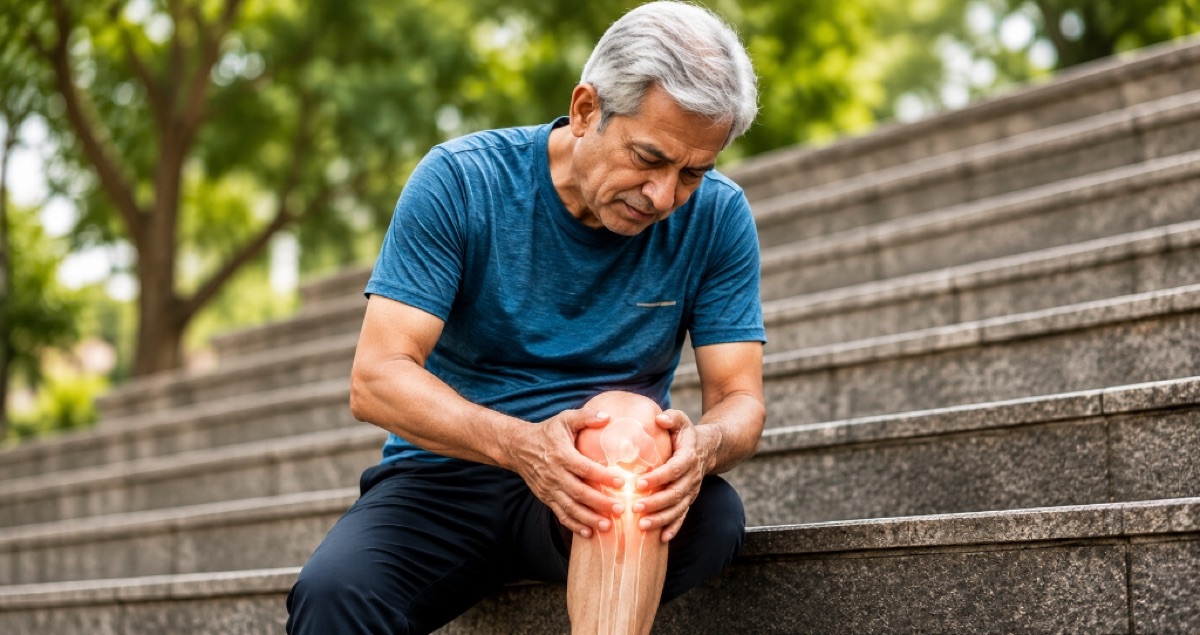
Pain that lasts during activity or even at rest and affects daily life.
Trouble walking short or long distances or using stairs.
Morning stiffness, swelling or reduced range of movement.
Medicines, injections and physiotherapy do not provide relief.
| Comparison Factor | Traditional Surgery | Robotic-Assisted Surgery |
|---|---|---|
| How It's Done | Surgeon manually replaces joint using mechanical jigs | Robotic arm guided by 3D CT scan for 0.5mm precision |
| Blood Loss & Trauma | Moderate tissue disruption | Very minimal – muscle-sparing technique |
| Pain Level | Moderate post-op pain | Significantly reduced pain & swelling |
| Surgery Time | 90 – 180 minutes | 60 – 90 minutes |
| Stitches & Incision | External stitches (6–10 inch scar) | Absorbable internal sutures (3–5 inch smaller scar) |
| Healing & Hospital Stay | 4–6 days stay (6–12 months full recovery) | 2–3 days stay (3–6 months full recovery) |
| Infection Risk | Moderate | Low |
| Return to Routine | 6 – 12 months | 3 – 6 months |
Advanced wear-and-tear of knee cartilage causing constant pain, stiffness, and inability to walk without support.
Chronic autoimmune inflammation causing progressive destruction of the knee joint that fails to respond to medications.
Knee joint damage from previous fractures, ligament tears, or sports trauma that has progressed to severe arthritis.
Significant alignment deformities causing asymmetric joint wear and chronic pain — robotic correction restores neutral alignment.
Patients with failed arthroscopy or previous knee surgeries who now need definitive joint replacement to restore function.
Severe knee pain preventing walking, climbing stairs, rising from chairs, or sleeping comfortably at night.
Over 90% of patients experience significant or total relief from chronic knee pain that had made walking impossible.
Patients regain the ability to walk, climb stairs, and resume daily activities comfortably and independently.
Modern knee implants have over 90% survivorship at the 20-year mark, providing truly long-lasting relief.
Elimination of chronic knee pain allows patients to sleep through the night without pain interruptions.
Studies show significantly improved mood, confidence, and psychological well-being after successful knee replacement.
Physiotherapy begins the day after surgery, enabling early independence and faster return to active life.
Not every patient needs the same procedure. The choice depends on joint damage, symptoms, examination, imaging and overall clinical suitability.
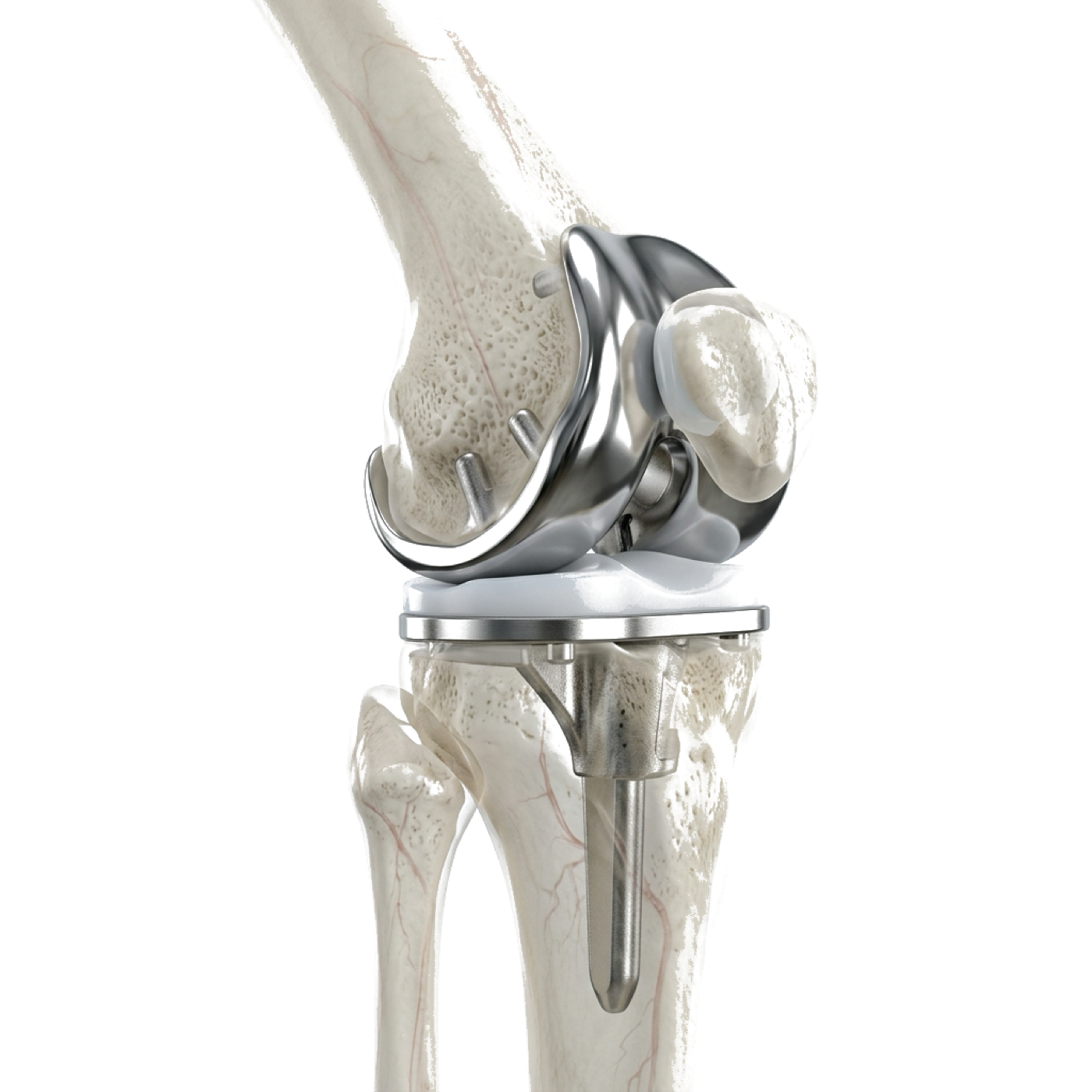
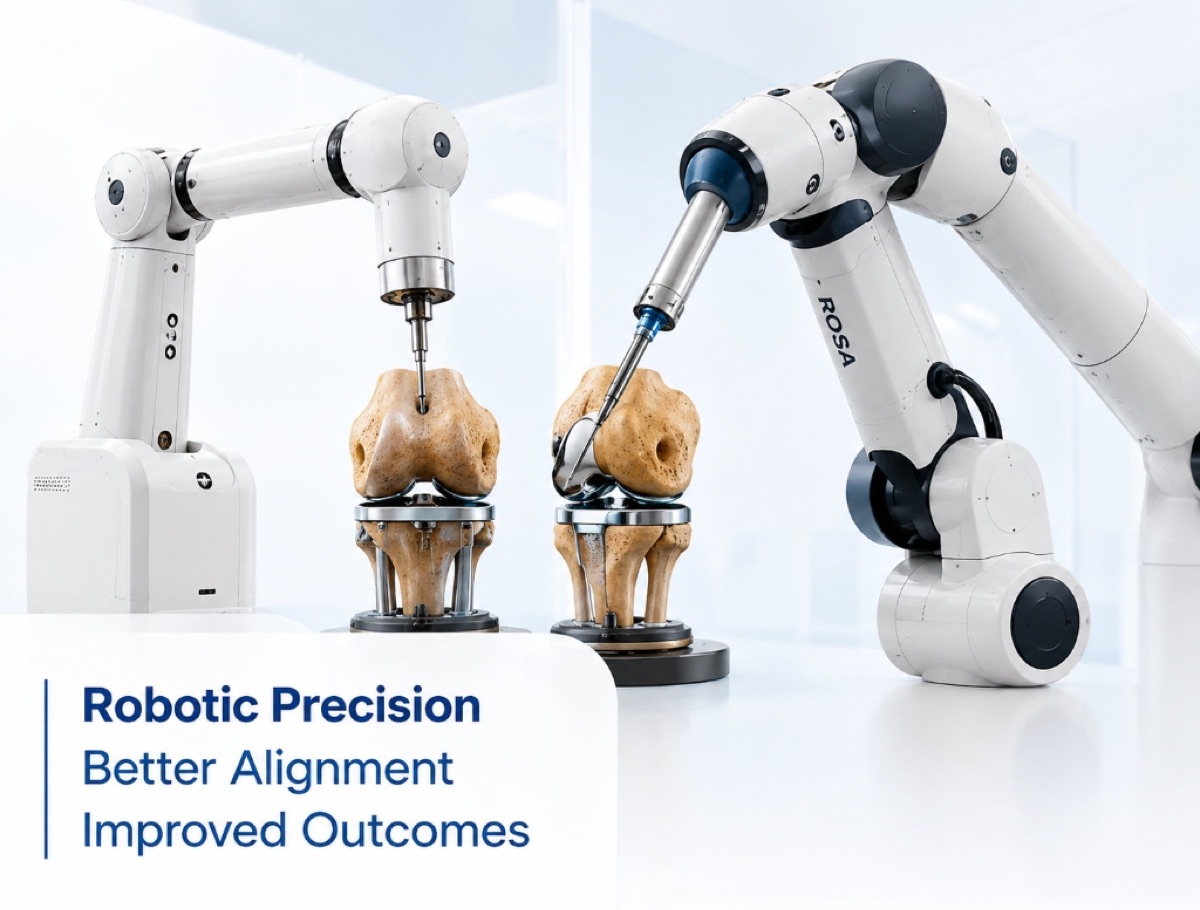
Uses 3D digital mapping and robotic arm guidance for sub-millimeter surgical accuracy and optimal implant placement.
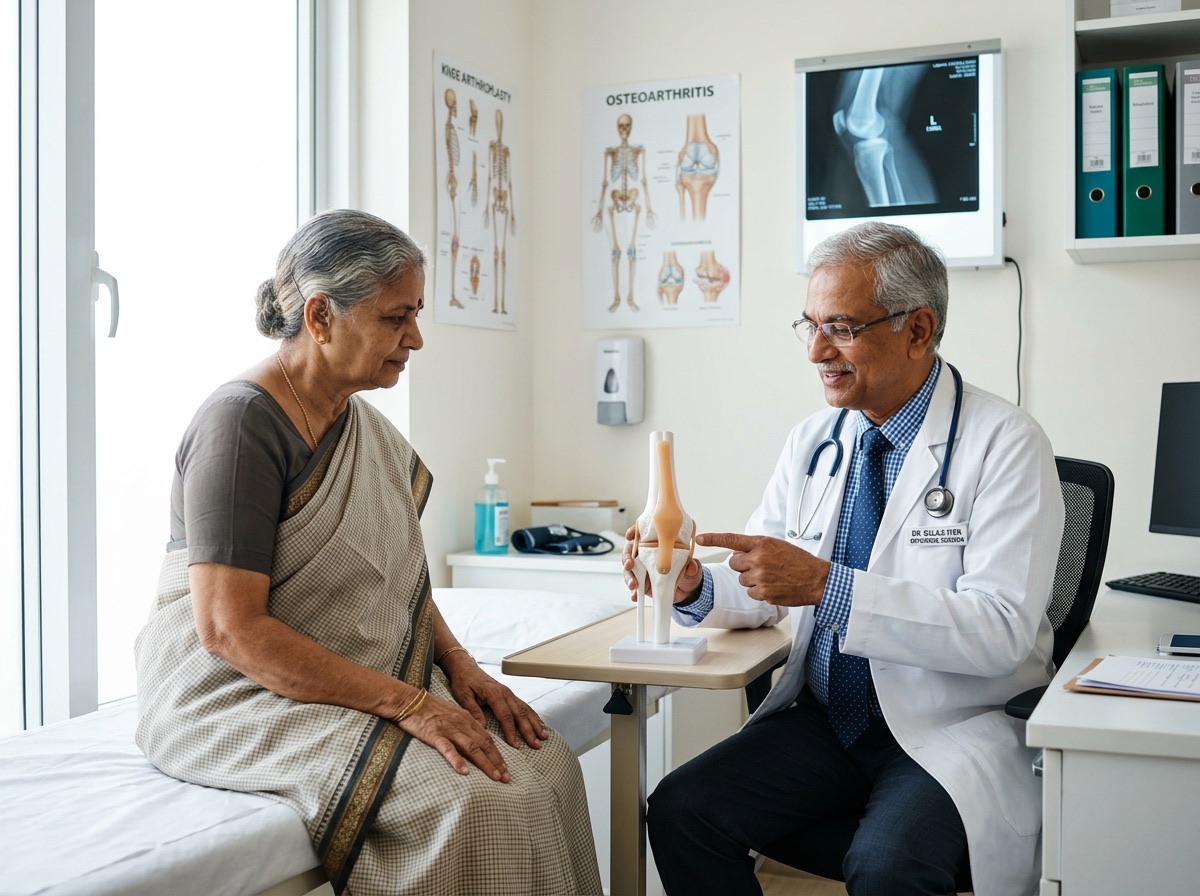
Consult with Dr. Chandramouli to evaluate whether digital planning & robotic guidance is right for your knee condition.
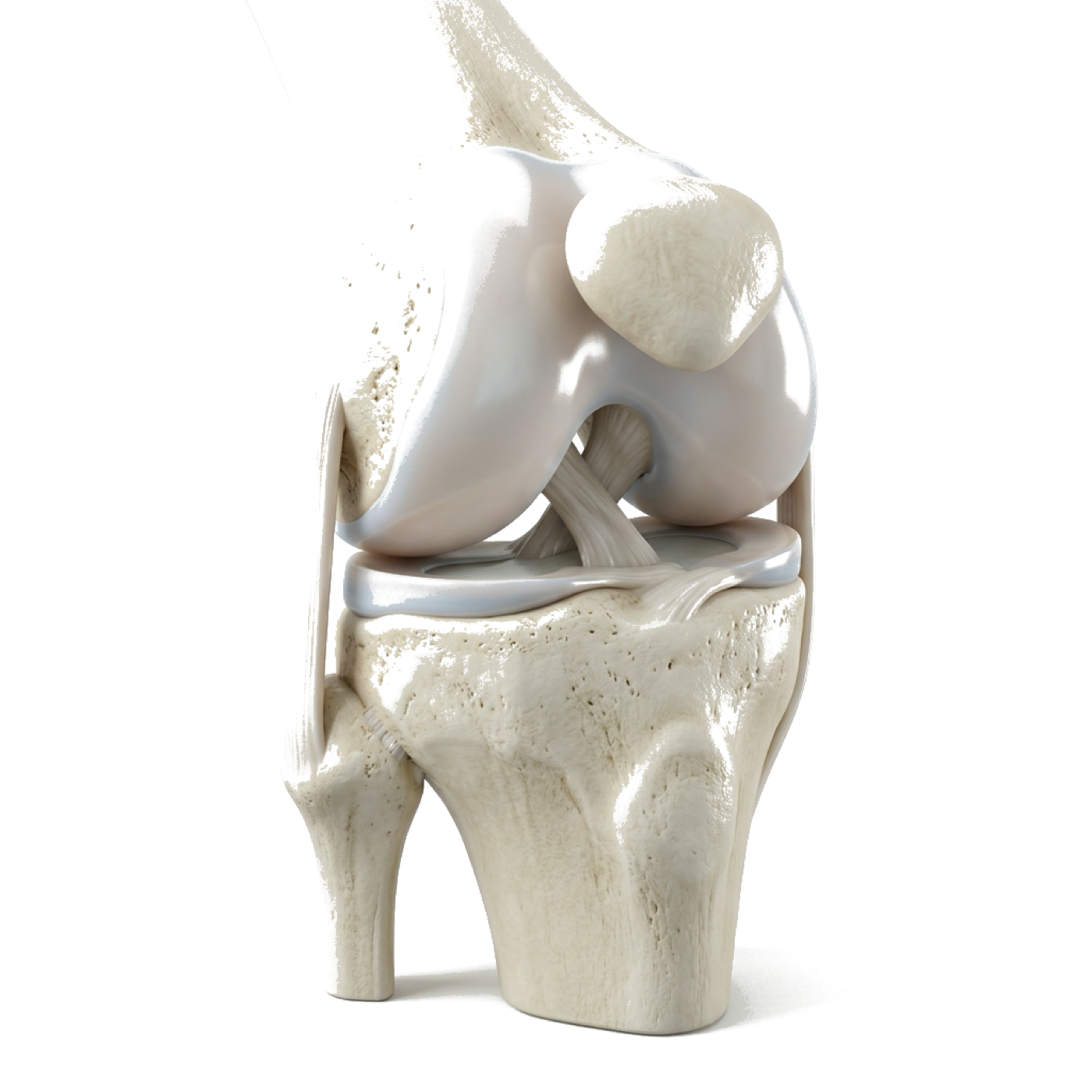
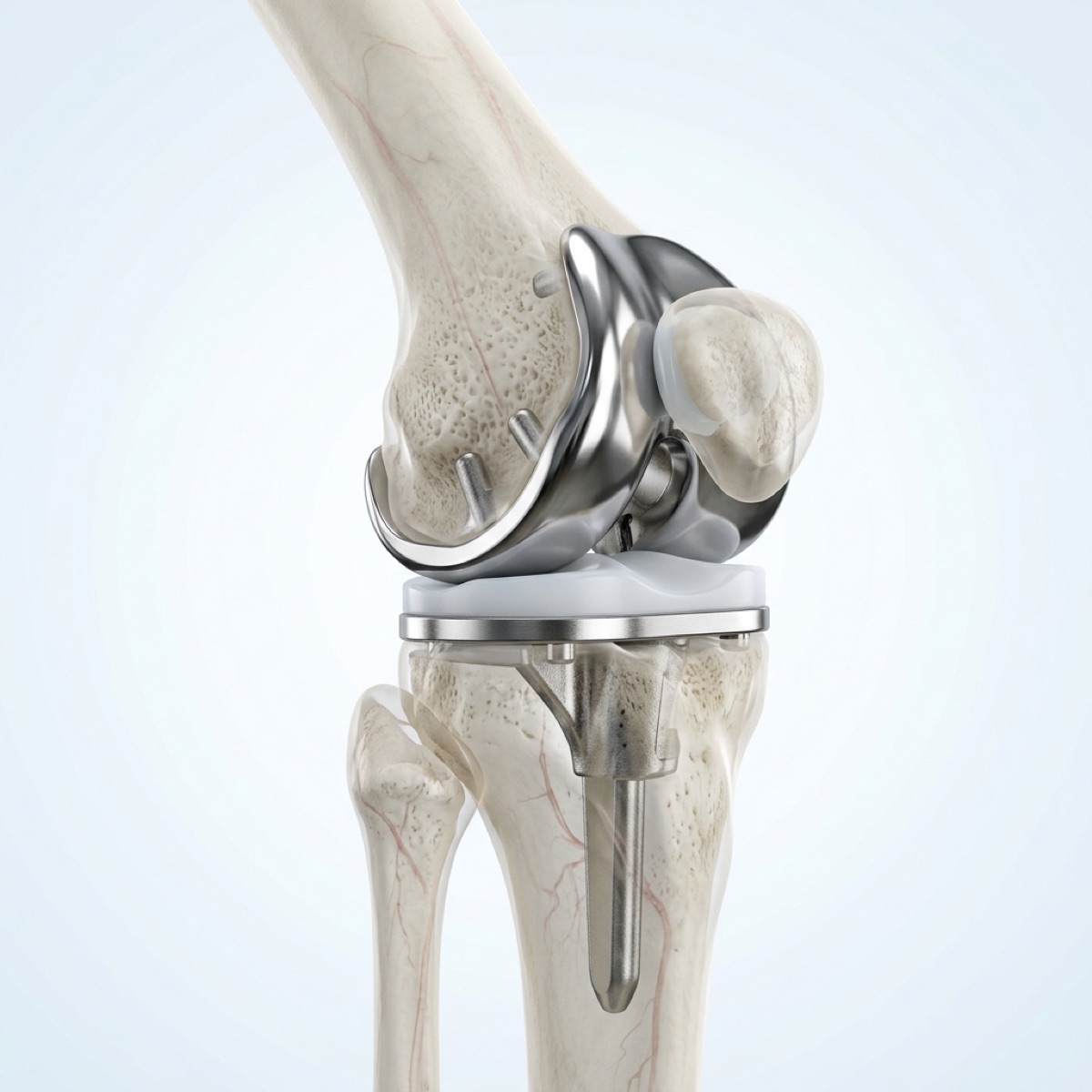
Smooth cartilage allows bones to move pain-free.
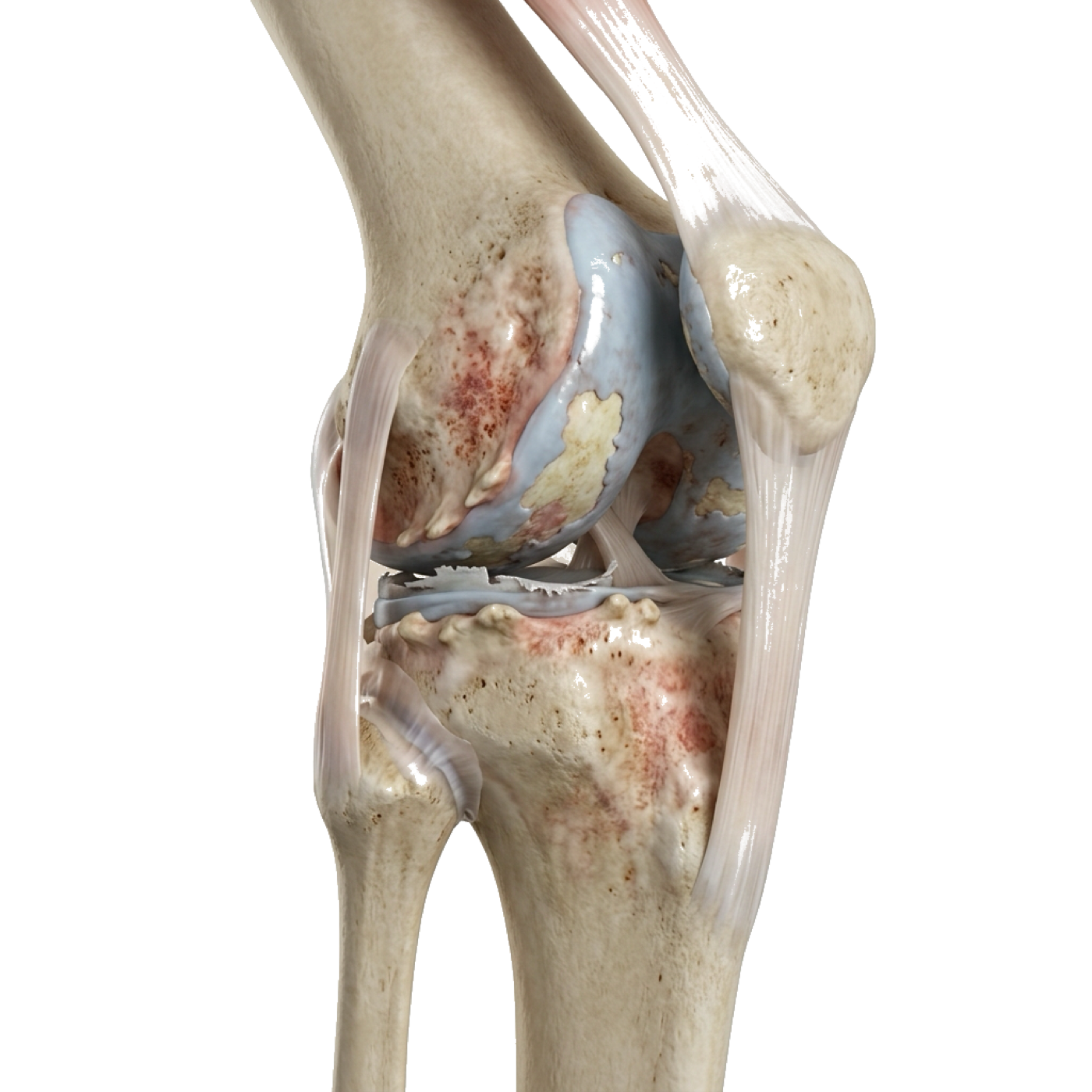
Worn out cartilage causes pain, stiffness and swelling.
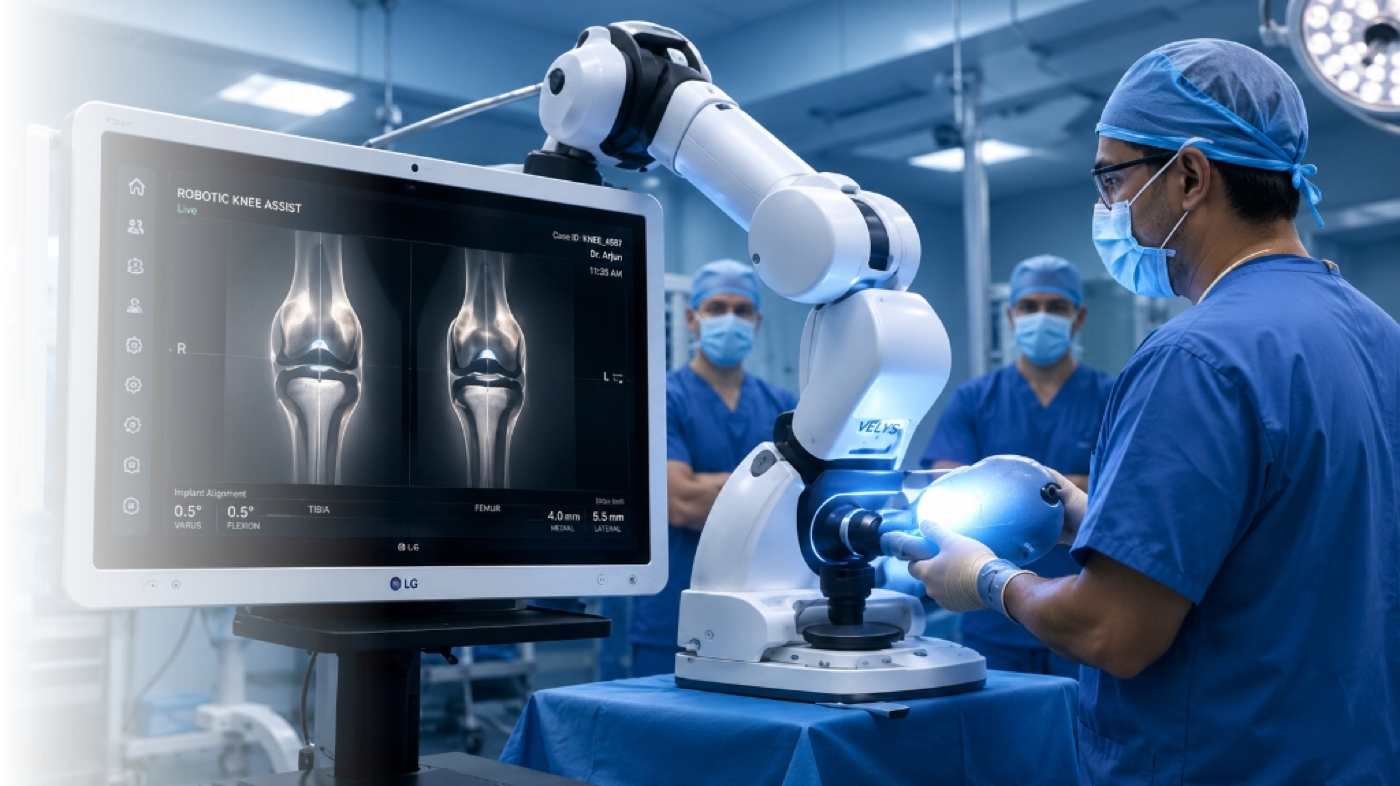
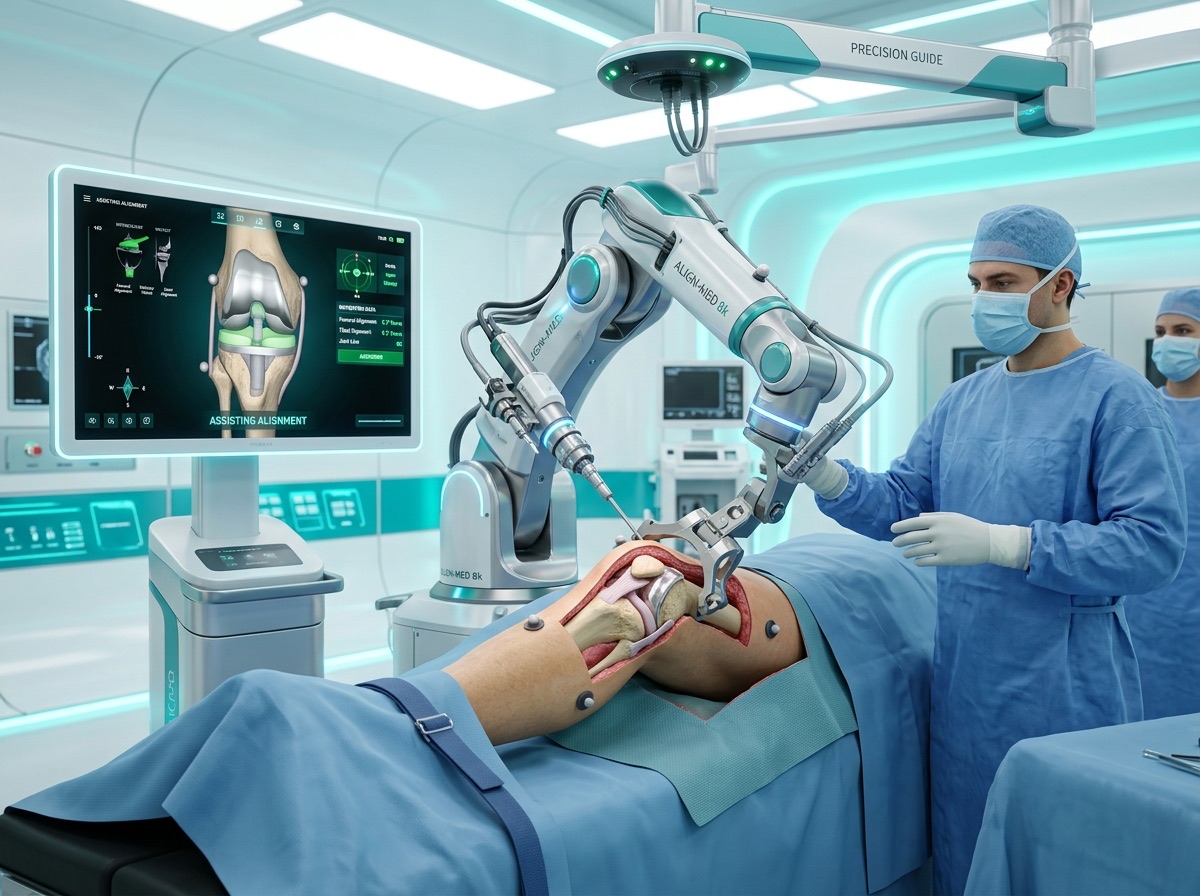
3D digital planning & robotic precision guidance assist implant alignment.

Guided physiotherapy and gradual activity help you return to daily life with confidence.


My knee pain reduced completely after surgery. I can walk, climb stairs and do my daily activities without any pain. Thank you Dr. Chandramouli and team!

Very smooth experience from consultation to recovery. Highly recommend Dr. Chandramouli for knee replacement.

Excellent care, clear explanation and great support during rehabilitation. Very happy with my knee surgery results.
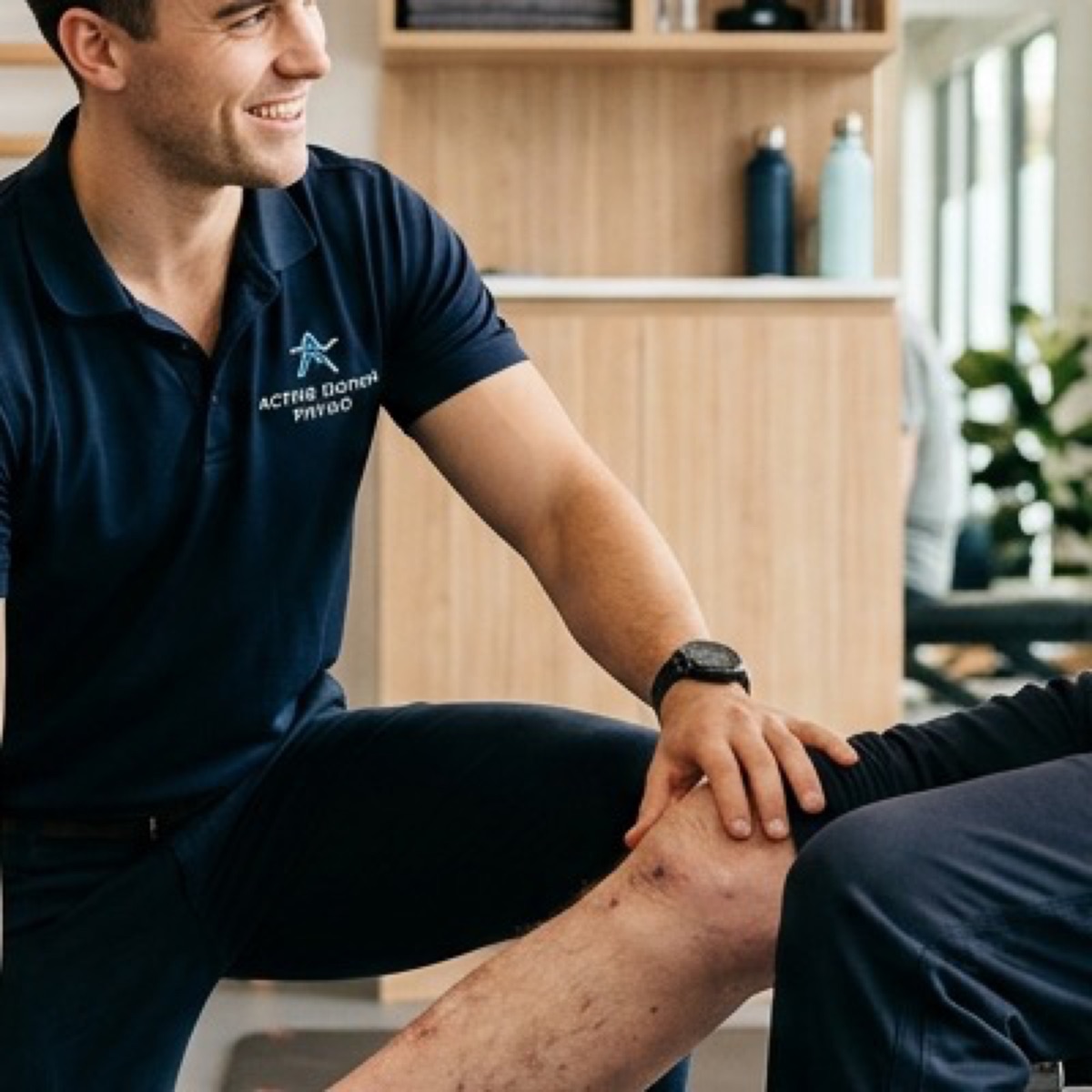
I had severe osteoarthritis in both knees. Dr. Chandramouli performed bilateral knee replacement and I was back on my feet in no time.
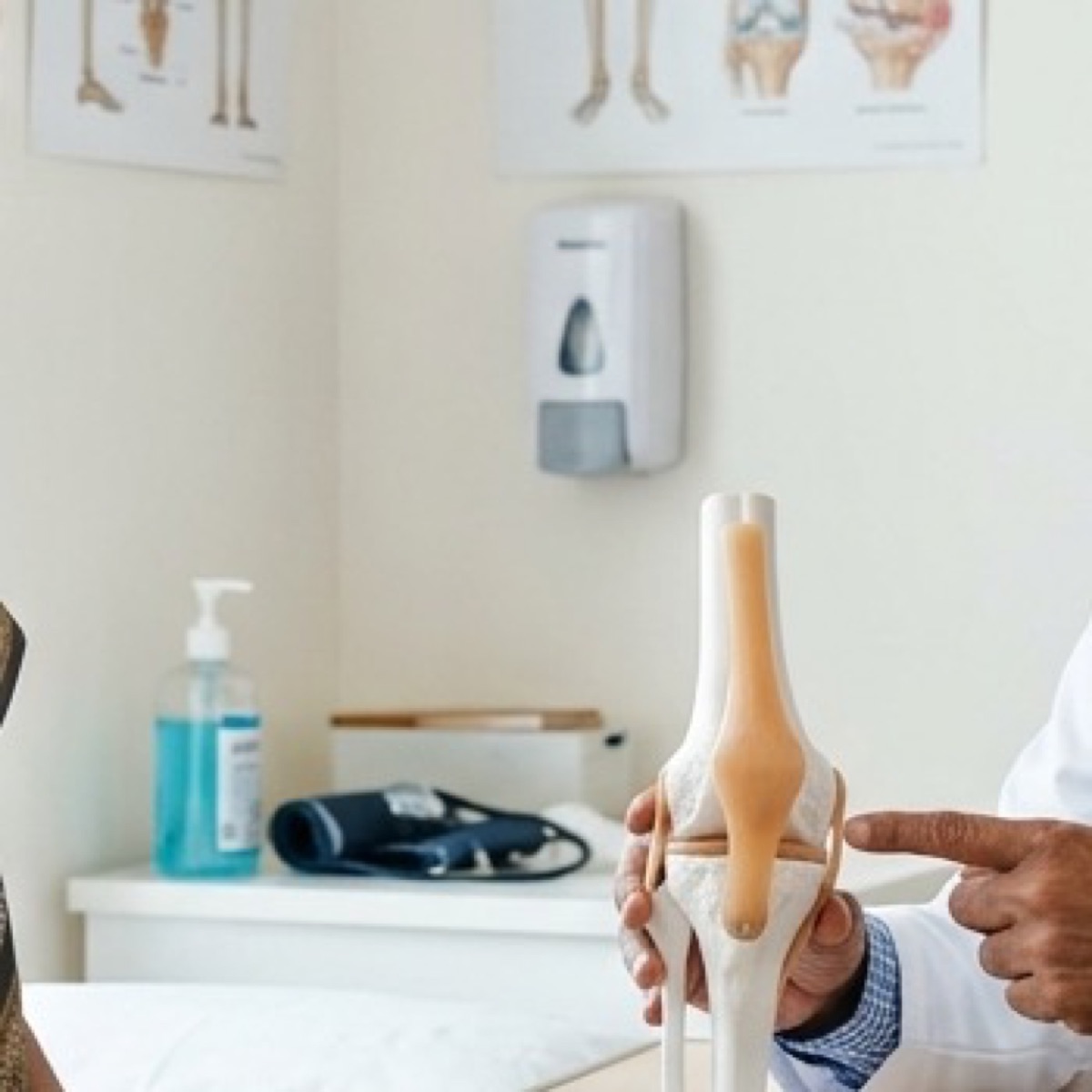
The robotic knee surgery precision is unmatched. Less pain after surgery and recovery was much faster than expected.
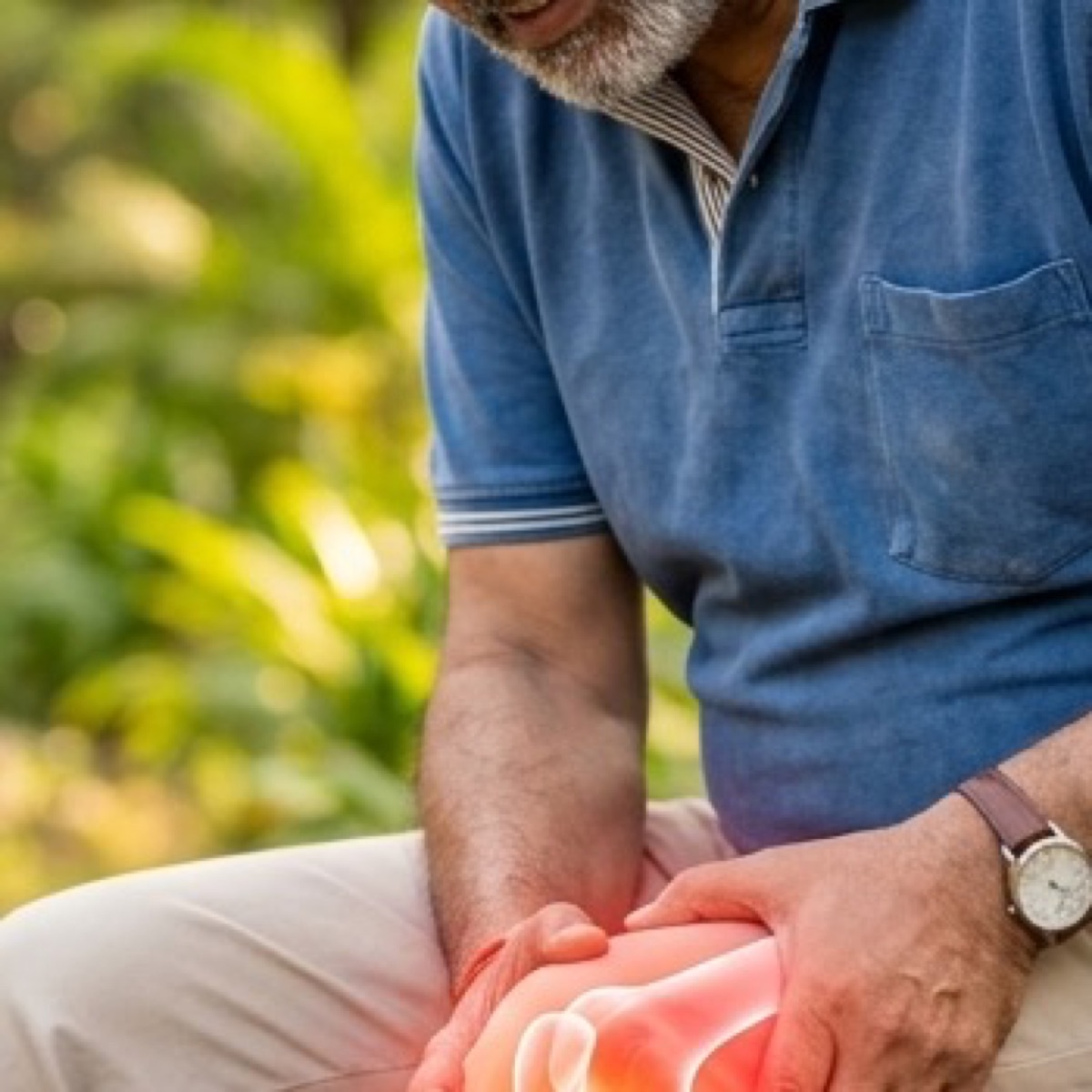
Very transparent cost estimation and clear guidance. Dr. Chandramouli explained every detail before surgery. Highly recommended!
Book a consultation with Dr. Chandramouli today.
Get clear, honest answers to common questions about knee replacement surgery, recovery, and insurance.
Robotic-assisted knee replacement provides 3D pre-operative CT planning and sub-millimeter surgical accuracy. It helps the surgeon place the implant with maximum precision, protect surrounding soft tissues, and enable faster recovery with a natural knee feel.
Most patients begin standing and walking with walker support within 24 hours of surgery under expert physiotherapy guidance. The average hospital stay is 3 to 5 days for single knee replacement, ensuring complete safety and comfort before discharge.
Modern anesthesia, nerve blocks, and advanced multimodal pain management keep you comfortable throughout the procedure and initial recovery. Post-surgery soreness typically peaks in 48–72 hours and steadily declines with icing, prescribed medications, and structured exercises.
Stair climbing practice starts right in the hospital prior to discharge. Driving generally resumes around 4 to 6 weeks once full leg reflexes and emergency braking control are restored. Most patients return to desk-based work in 2 to 3 weeks.
With precise surgical alignment, robotic assistance, and quality implant materials (US-FDA approved chromium-cobalt or ceramic-coated implants), over 90% of modern knee replacements last 15 to 20+ years.
Yes. Knee replacement surgery is covered under almost all corporate and personal health insurance policies, including cashless TPA services. Our dedicated insurance desk manages all paperwork, pre-authorizations, and claim approvals seamlessly for you.
